Introduction
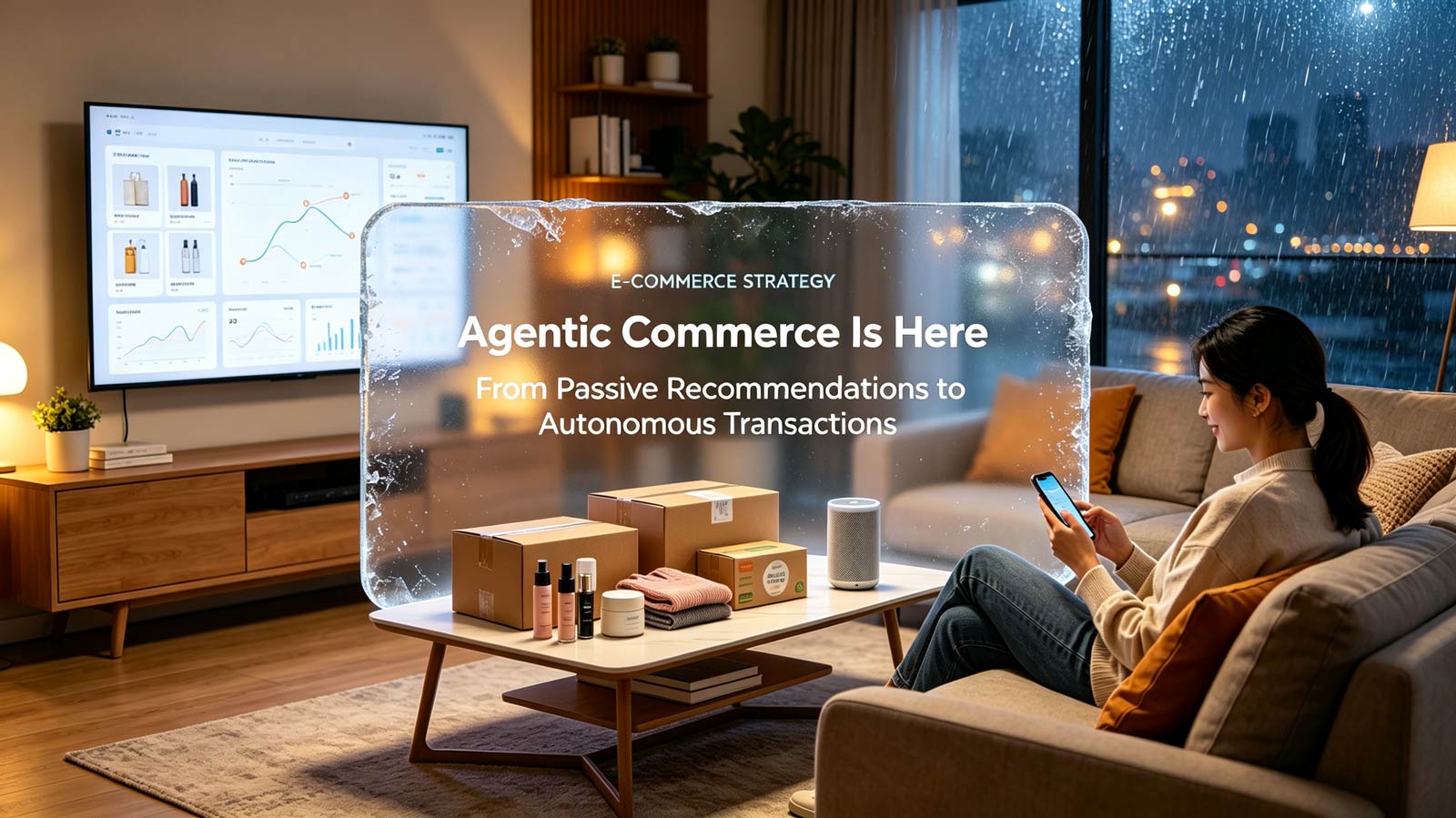
The e-commerce landscape is shifting as artificial intelligence evolves from passive recommendation engines into proactive shopping assistants. In 2026, agentic commerce — where AI shopping agents autonomously research, evaluate, and purchase on behalf of consumers — is moving from pilot programs to mainstream adoption, with analysts projecting it will mediate a substantial share of online transactions by 2027.
This change challenges traditional marketing funnels and forces brands to reimagine customer engagement. Understanding these AI shopping agents is no longer optional — it is the biggest growth opportunity since mobile commerce.
The Anatomy of AI Shopping Agents
1. Perception: How Agents See the Market
Modern AI shopping agents are built on three foundational layers, starting with perception. This layer aggregates data from multiple sources: past purchase history, social media activity, IoT devices, and real-time market conditions.
Advanced computer vision allows these agents to analyze product images and videos with human-level comprehension. Natural language processing enables them to read reviews and specifications the way a careful shopper would.
2. Cognition and Action: How Agents Decide and Buy
The cognition layer is the decision-making engine, where machine learning models process this data into purchasing recommendations. What makes agentic commerce truly revolutionary is the action layer — the ability to complete transactions autonomously within predefined constraints.
These constraints might include budget limits, brand preferences, or sustainability criteria set by the human consumer. Together, the three layers produce agents with capabilities no human shopper can match:
-
Personalization algorithms that develop detailed consumer preference profiles over time
-
Autonomous negotiation systems capable of securing dynamic pricing or bundle deals
-
Cross-platform integration allowing agents to compare products across multiple retailers simultaneously
Strategic Implications for E-Commerce Brands
1. From Emotional Appeals to Algorithmic Decisions
Agentic commerce demands a fundamental rethink of digital merchandising. Traditional conversion tactics like urgency messaging ("Only 3 left!") lose effectiveness when purchases are made by rational AI shopping agents.
Instead, brands must optimize for algorithmic decision-making: structured product data, transparent pricing histories, and verifiable quality signals.
2. Agent-Specific Value Propositions
The most successful early adopters are developing value propositions designed for machines. This means creating detailed product ontologies for machine readability and offering API-accessible inventory data for real-time agent queries.
It also means establishing trust signals that AI agents recognize as markers of quality. Some innovative brands are even programming exclusive deals specifically designed to be discovered and prioritized by shopping algorithms.
3. The Algorithmic Branding Challenge
A critical challenge lies in maintaining brand differentiation when purchases are algorithmically mediated. Without traditional touchpoints like website design or marketing copy, brands must communicate their unique value proposition to AI intermediaries instead.
This has led to the emergence of "algorithmic branding" — strategies focused on embedding brand equity into machine-readable attributes.
Preparing for the Agentic Commerce Future
1. Audit Your Store for Agent Compatibility
Forward-looking brands should begin by auditing their digital assets for agent compatibility — and store analytics is the natural starting point. A structured store audit reveals whether your product pages carry complete schema markup and whether pricing data is machine-readable.
It also shows how your offers stack up against competitors when stripped of visual branding. Technical SEO takes on new importance as shopping agents rely heavily on structured data when making purchasing decisions.
2. Build Human-AI Collaboration Models
Human-AI collaboration will define the next era of customer relationships. Savvy brands are developing hybrid experiences where AI shopping agents handle routine replenishments while human creativity drives discovery of new products.
The most effective strategies recognize that agents and human consumers influence each other — an agent's recommendation shapes human perception, while human feedback trains the agent's future decisions.
3. Start with these four technical foundations:
-
Implement rich product schema markup for all SKUs
-
Create API endpoints for real-time inventory and pricing data
-
Design offers that AI shopping agents can discover and prioritize
-
Build verification systems for product claims and reviews
Conclusion
Agentic commerce is the most significant transformation in online shopping since mobile commerce. Brands that adapt early will gain first-mover advantage as AI shopping agents become a dominant way consumers buy. Success requires one mindset shift: tomorrow's most valuable customers may not be humans, but the agents acting on their behalf. Start today — audit your structured data, open your pricing to machine queries, and build verification into every claim. In 2026, you're not just marketing to consumers; you're programming for their digital proxies.