Introduction
If the pandemic spurred the first wave of "home fitness," then health-related consumption in 2026 has entered its second phase of "normalization and upgrading." Consumers are no longer just buying a yoga mat to cope with lockdowns; they are actively building long-term healthy lifestyles.
Data shows that in the first half of 2026, the retail sales of wearable smart devices in China doubled, and the search volume and order volume of portable health products (such as portable blenders, smart body fat scales, and health monitoring accessories) continued to rise on global e-commerce platforms.
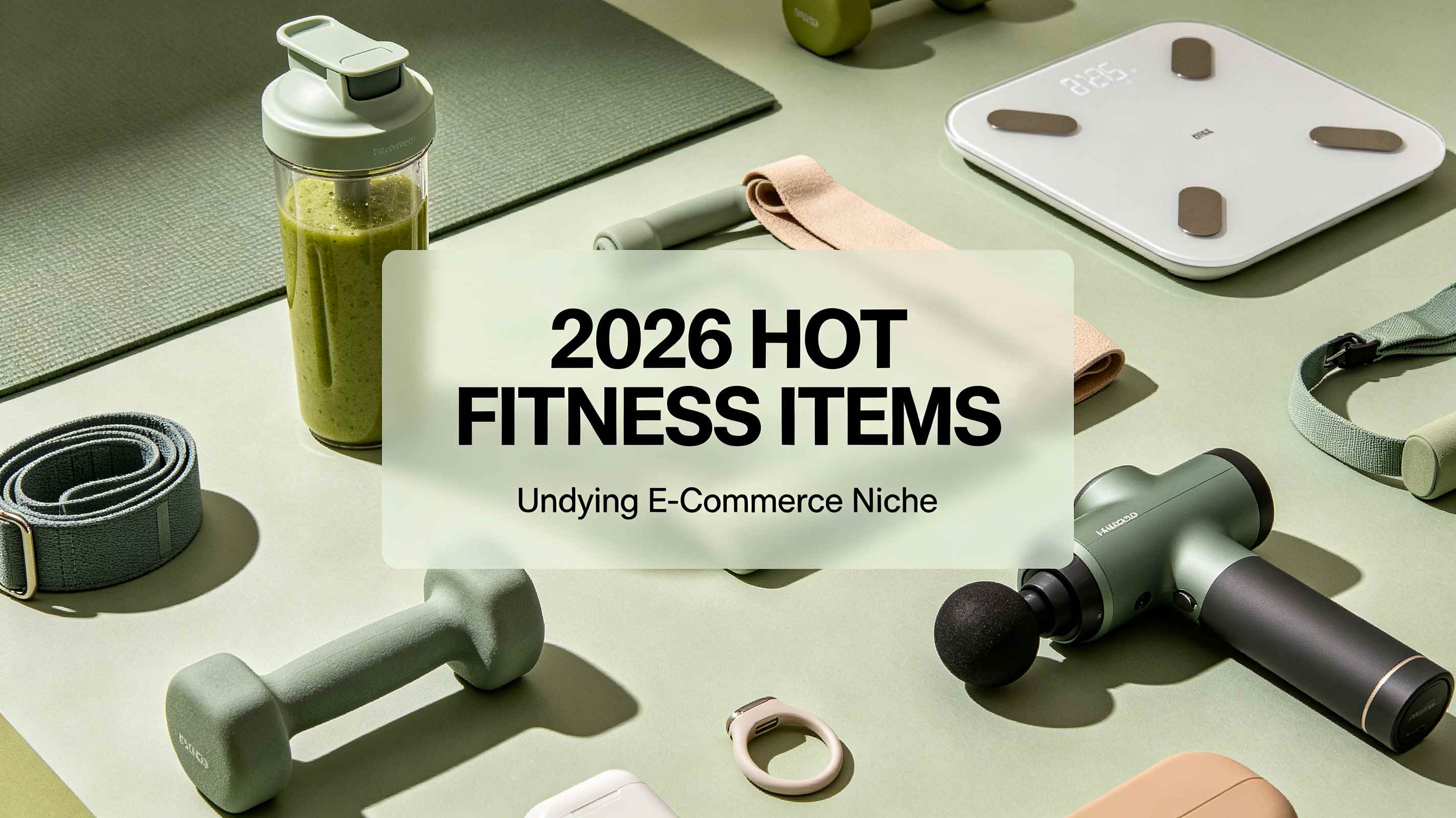
This article combines Doba's 2026 summer best-selling product data and market trends to identify four health and fitness product categories that are experiencing rapid growth, each of which is suitable for Shopify Dropshipping.
I. Portable healthy eating tools
Why is it a hot-selling product? Portable blenders ranked in the top ten of Doba's Summer 2026 Hot Selling Products Report, which reflects consumers' strong demand for "healthy eating anytime, anywhere".
The core products in this category include: portable blenders (USB rechargeable, BPA-free), portable salad cups, portable protein powder dispensers, and foldable silicone lunch boxes. These products share common characteristics: they meet the dual needs of "healthy eating + convenient portability," have low procurement costs ($3-18), high profit margins (40-50%), and are easy to transport.
Taking portable blenders as an example, Doba data shows that BPA-free certification, USB charging, and travel-friendly design are the most popular feature combinations in 2026. Fitness bloggers on TikTok and Instagram frequently showcase using portable blenders to make protein shakes; this kind of influencer marketing is far more effective than paid advertising.
Operational suggestion: Package the portable blender, protein powder dispenser, and silicone lunchbox into a "healthy eating kit". This could increase the average order value from $29.99 to $59.99-$79.99, while reducing the proportion of advertising costs for individual products.
II. Home fitness gadgets
Why is it a hot-selling product? While large fitness equipment (treadmills, elliptical trainers) is not suitable for dropshipping, "small" home fitness products are a seriously underestimated goldmine.
The most anticipated home fitness gadgets in 2026 include: resistance band sets ($14.99-$29.99), adjustable dumbbells ($39.99-$79.99), ab rollers ($9.99-$19.99), yoga mats ($19.99-$39.99), and hand grippers ($9.99-$19.99). The cost of these products is between $2 and $20, with profit margins of 40-65%.
The core advantage of these products is "repeat purchases + bundled deals." A consumer might buy a resistance band and then want to upgrade to adjustable dumbbells three months later. After buying a yoga mat, the next step might be yoga blocks and yoga wheels. This consumer psychology of "upgrading fitness equipment" makes home fitness gadgets a natural LTV (Lifetime Value) category.
Product selection strategy: Don't try to sell all fitness products. Choose a vertical direction (such as yoga, strength training, or rehabilitation training), ensure a full range of SKUs, and create a "one-stop" shopping experience.
III. Health monitoring and sleep optimization
Why is it a blockbuster product? In the first half of 2026, the retail sales of wearable smart devices doubled, with health monitoring and sleep optimization being the two core drivers.
Specific products suitable for dropshipping include: smart rings (sleep tracking, heart rate monitoring, $29.99-$79.99), smart body fat scales ($29.99-$59.99), smart posture correctors ($19.99-$39.99), and white noise sleep aids ($19.99-$49.99).
The procurement cost of these products ranges from $5 to $25, with profit margins of 35% to 55%. They share a unique advantage: consumers are far less price-sensitive to "health" products than to "entertainment" products. A regular electronic scale at $49.99 would seem expensive to consumers.
Marketing strategy: Emphasize "data" and "science" in advertising materials—not "This scale is great," but "This scale can tell you 13 body data points to help you lose fat scientifically." Rational appeals have a much higher conversion rate than emotional appeals in the health product category.
IV. Exercise recovery and relaxation
Why is it a hot-selling product? Sports recovery products are one of the fastest-growing sub-sectors in the fitness industry in 2026. As fitness enthusiasts become more professional in their "training knowledge," they are no longer just focusing on "how to train," but also on "how to recover."
Products worth considering include: fascia guns ($39.99-$99.99), massage rollers ($14.99-$29.99), compression leg sleeves ($19.99-$39.99), and hot/cold compresses ($9.99-$19.99). Procurement costs are between $5 and $30, with profit margins of 35%-55%.
Fascia guns are the most noteworthy product in this market segment. Searches for mini fascia guns (portable, USB rechargeable, multi-level adjustable) saw the most significant growth in 2026. Consumers no longer need bulky "professional-grade" fascia guns, but instead prefer small devices that can fit in their gym bags.
Content Marketing: Publish "Massage Gun Usage Tutorials" and "Post-Exercise Recovery Procedures" on TikTok. These content items are highly educational, have high save rates, and good completion rates. This type of content not only brings traffic but also directly converts viewers—consumers watch the video and click the link to make a purchase.
In conclusion
The biggest advantage of the health and fitness sector is that it won't fade away. Consumers' pursuit of health is a long-term, irreversible trend. From portable blenders to massage guns, from smart body fat scales to resistance band sets, these products all have one thing in common: they are not "one-off impulse purchases," but rather part of consumers' lifestyles.
Use ShopFindBiz to track the top stores in these categories, examine their product structure, pricing strategies, and new product launch schedules, and find your differentiated entry point.