Introduction
Subscription fatigue is a growing phenomenon among consumers, particularly as the number of subscription-based services continues to rise. From streaming platforms to meal kits, shoppers are inundated with monthly fees that add up quickly. In 2026, this shift is accelerating, with many consumers opting for one-off purchases over recurring subscriptions. Understanding subscription fatigue is crucial for businesses aiming to thrive in an increasingly competitive market.
The rise of subscription services was initially fueled by convenience and cost savings. However, as the market becomes saturated, consumers are reevaluating their spending habits. The allure of unlimited access has been overshadowed by the reality of mounting bills and underutilized services — a fundamental change in how people prefer to engage with products and services.
The Rise and Fall of Subscription Services
Subscription services exploded over the past decade, with companies like Netflix, Spotify, and Dollar Shave Club offering ongoing access for a fixed monthly fee. But sheer oversaturation has left consumers overwhelmed. Surveys suggest the average household now juggles well over ten subscriptions — many forgotten entirely — sparking a backlash against recurring fees.
The psychological impact is hard to overstate. The constant drip of monthly charges creates a feeling of being trapped, which contrasts sharply with the freedom of paying only for what you use — a mindset shift that is forcing businesses to rethink their revenue models.
-
Oversaturation: The market is flooded with subscription options, making it hard for consumers to choose.
-
Financial strain: Multiple recurring fees add up, leading to budget concerns.
-
Underutilization: Many subscribers rarely use the services they pay for, leading to frustration.
Why One-Off Purchases Are Gaining Popularity
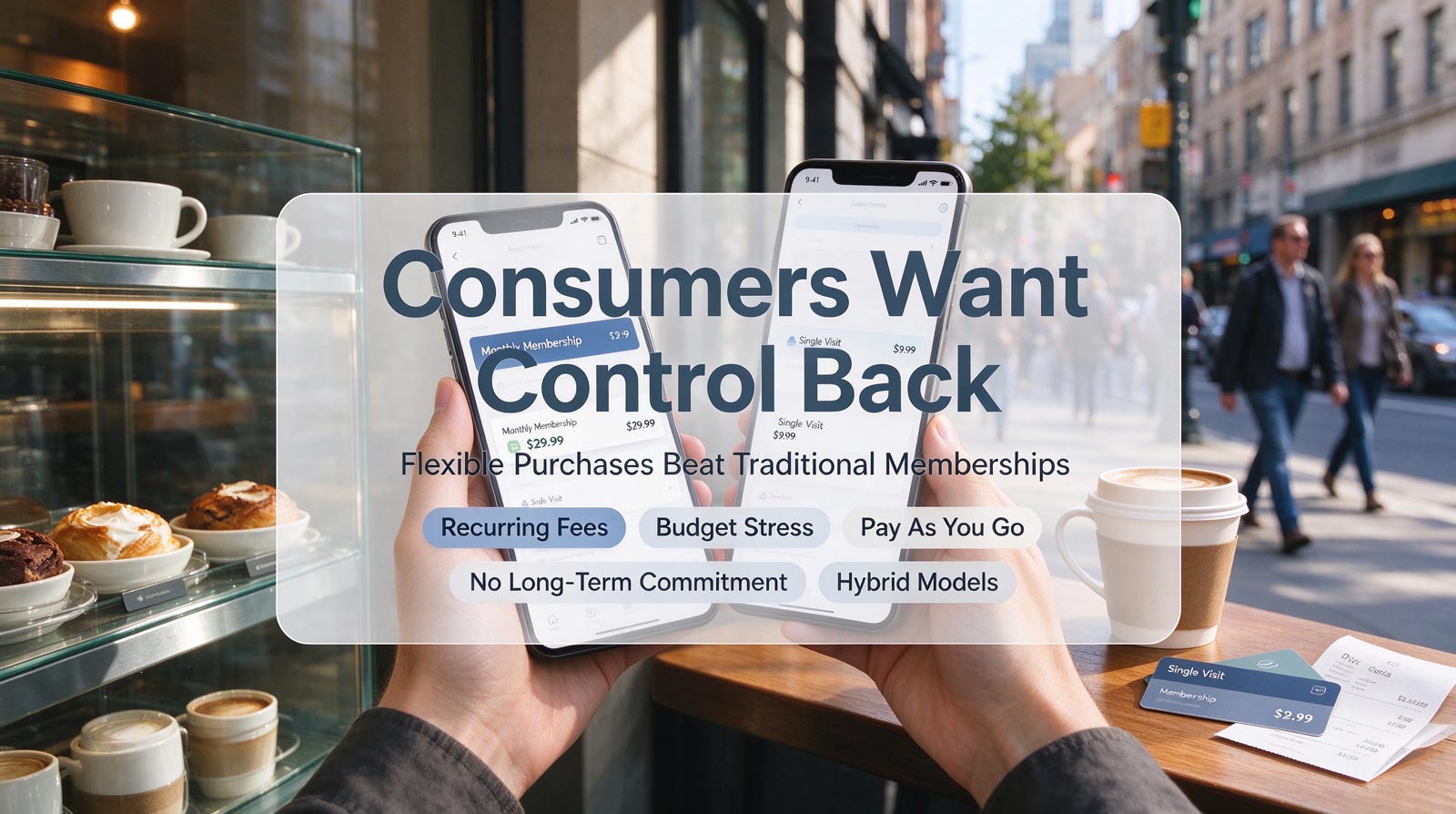
One-off purchases are making a comeback as consumers seek control over their spending. Unlike subscriptions, single purchases offer flexibility and transparency — buy what you need, when you need it, without the guilt of unused services. This trend is most pronounced in entertainment, software, and retail.
It also shows up in how brands sell: flash deals, seasonal drops, and pay-as-you-go perks deliver the thrill of a "win" with no commitment, now outperforming traditional memberships in driving repeat purchases. Psychologically, outright ownership brings immediate gratification and a stronger connection to the product — and financially, it frees shoppers, especially younger ones, to prioritize experiences over long-term commitments.
-
Flexibility: Single purchases let consumers spend on their own terms, without recurring commitments.
-
Ownership: Flash deals and seasonal drops deliver instant "wins" and a stronger sense of connection.
-
Financial control: Eliminating recurring charges helps shoppers manage their budgets better.
The Impact on Businesses and Industries
The shift is disrupting industries built on recurring revenue. Streaming services, software providers, and even gyms face pressure as consumers demand pay-as-you-go options, forcing businesses to innovate or lose customers to more flexible competitors.
The transition is toughest for software companies, whose models rely on predictable monthly revenue — though those offering both one-time purchases and subscriptions can reach a broader audience. Retailers, meanwhile, are adopting hybrid models: discounted single purchases for loyal customers, or bundles that mimic subscription value without the commitment.
-
Revenue disruption: Recurring fees are no longer a guaranteed source of income.
-
Innovation pressure: Businesses must find new ways to attract and retain customers.
-
Hybrid models: Combining subscriptions with one-off purchases offers the best of both worlds.
Strategies for Businesses to Adapt
To thrive in this evolving landscape, businesses must adopt strategies that align with consumer preferences for flexibility and transparency. One effective approach is to offer a mix of subscription and one-off purchasing options, allowing customers to choose what works best for them. Some software and media companies have moved in this direction, offering both recurring access and one-time ownership — reducing the risk of losing customers to burnout.
Another key strategy is to enhance the value proposition of subscriptions by offering exclusive benefits that justify the recurring cost. Early access to new products, member-only discounts, or personalized recommendations can make memberships more appealing — if communicated clearly enough to counter the perception of recurring fees as a burden.
Finally, data analytics can help businesses act before customers leave. By tracking purchasing patterns, companies can spot early signs of fatigue and intervene with targeted promotions or alternatives, improving retention while minimizing revenue loss.
-
Flexible options: Offer both subscriptions and one-off purchases to cater to all customers.
-
Enhanced value: Make subscriptions more appealing with exclusive, clearly communicated benefits.
-
Data-driven insights: Use analytics to anticipate burnout and address it before customers leave.
Conclusion
Subscription fatigue is a real and growing challenge for businesses. In 2026, the shift toward one-off purchases is accelerating as shoppers seek greater control over their spending and avoid the pitfalls of recurring fees. Companies that recognize this trend — and respond with flexible options, transparent pricing, and genuine value — will be better positioned to build loyal customer bases in a changing market.