Introduction
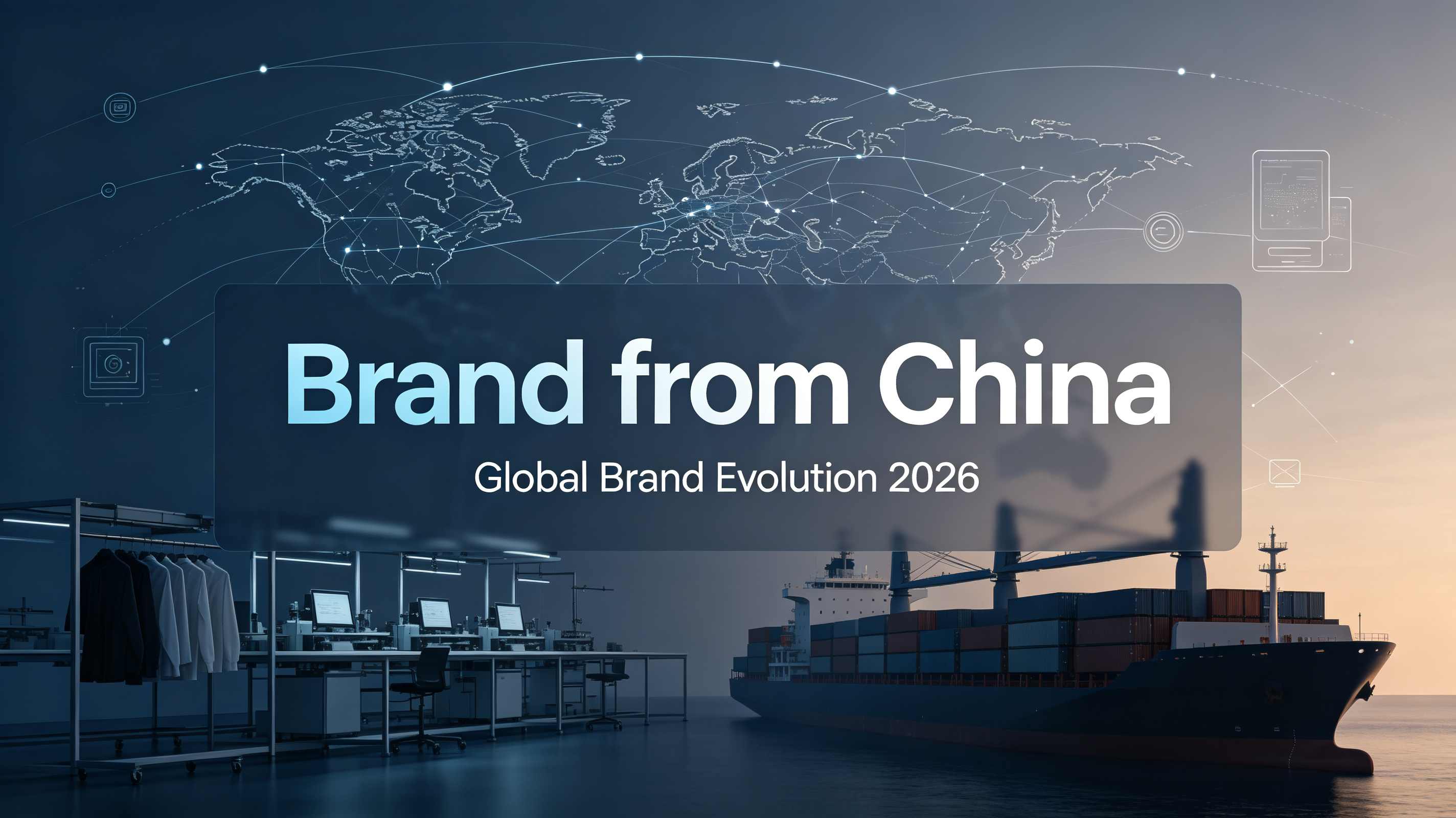
Over the past two decades, the role of Chinese enterprises in global trade has undergone a profound transformation. In earlier years, “Made in China” was nearly synonymous with contract manufacturing and low-price wholesale, with Chinese factories producing goods for global brands while few independent brands managed to establish themselves in international markets. Yet this landscape has fundamentally reversed over the past five years. Led by companies such as Anker, SHEIN, and Temu, a new generation of Chinese enterprises is no longer satisfied with being the unsung heroes of the global supply chain. Instead, they are building brand recognition directly among overseas consumers, accumulating user assets, and capturing brand premiums. Anker started as a charging accessory seller on Amazon and gradually grew into a global consumer electronics brand with over 100 million users worldwide. The core of its brand transformation lies in sustained investment in technology research and development and an obsessive pursuit of product quality. SHEIN disrupted the global apparel retail industry with its ultra-fast fashion model, compressing the cycle from design to shelf to an astonishing 7 to 10 days through real-time social media trend tracking and small-batch rapid production. This supply chain agility itself constitutes the most powerful brand moat. Temu, although entering the market with low prices, benefits from its parent company PDD Holdings’ deep expertise in algorithmic recommendation and social viral mechanics, enabling it to acquire massive user bases in an extremely short time while gradually upgrading toward a branding-focused approach.
Three major pathways for Chinese brands going global have become quite clear by 2026. The first is the platform store model, using third-party platforms such as Amazon, TikTok Shop, and Temu as primary bases, leveraging the platforms’ traffic foundations and mature infrastructure to quickly launch sales. The advantage of this pathway lies in its relatively low startup cost and short time to results, making it suitable for merchants with supply chain strengths but thin brand foundations. However, the drawbacks are equally apparent. Sellers’ heavy dependence on platform rules exposes them to risks from policy changes and commission increases, while making it difficult to build independent user assets and brand recognition. The second pathway is the independent website model, selling directly to consumers through self-built e-commerce sites, with representative brands including Allbirds, Warby Parker, and Anker in its earlier stages. The core advantage of independent sites is complete control over user experience, accumulation of first-party data, and cultivation of brand tone. The challenge lies in high customer acquisition costs, requiring sustained brand marketing investment to support organic site traffic. The third pathway is the social commerce model, relying on the content ecosystems of platforms such as TikTok, Instagram, and Facebook to drive sales conversion through short videos, livestreams, and social sharing. This pathway is particularly suitable for visually compelling, conversation-worthy categories such as beauty, fashion, and home decor, but demands extremely high capabilities in content creation and social media operations.
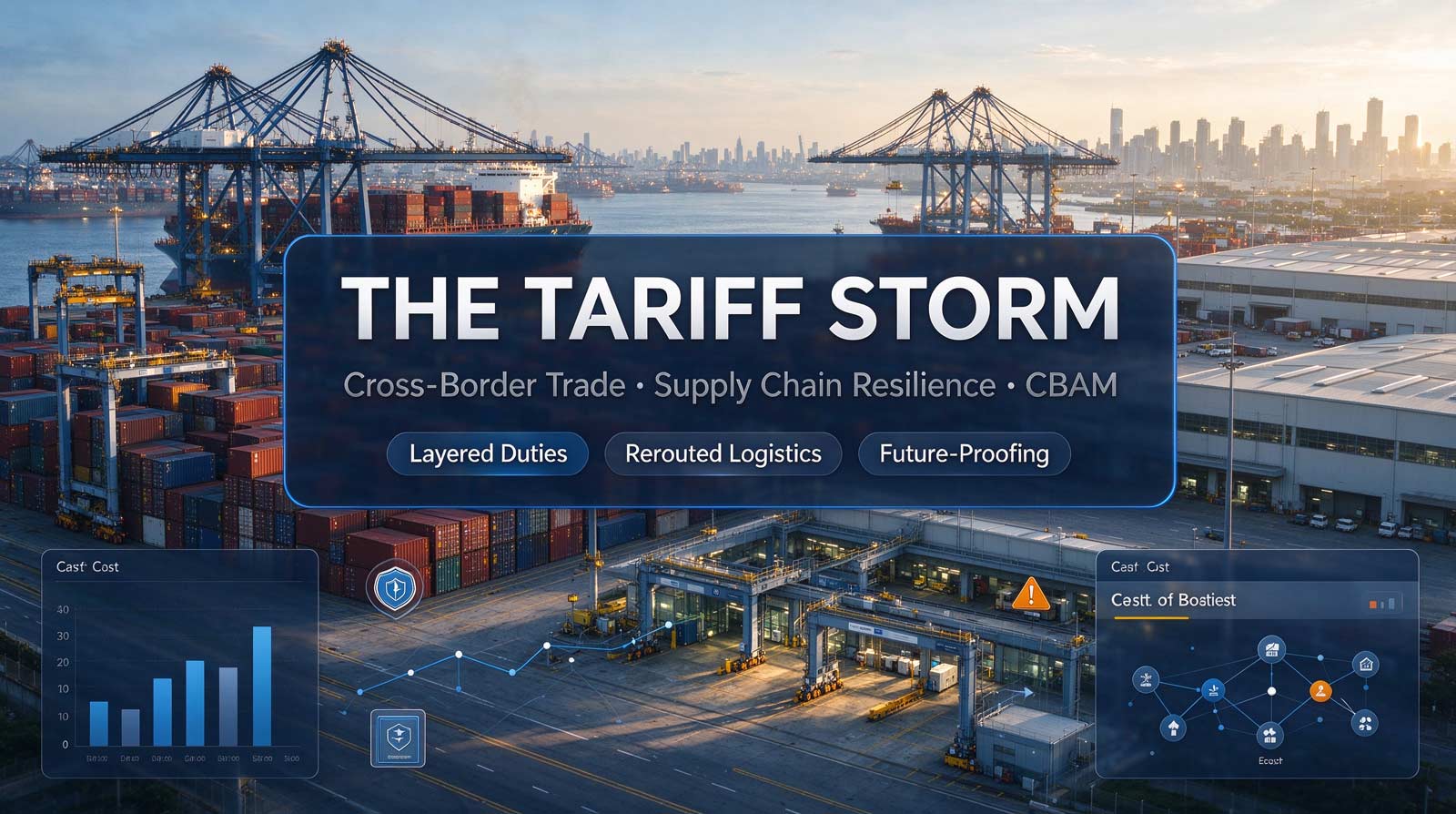
In 2026, the challenges facing brands going global are more complex and multifaceted than ever before. Rising tariff barriers represent the most direct impact. Multiple rounds of US tariffs on Chinese goods have significantly increased export costs for many categories, with some low-margin products even losing their market competitiveness as a result. To address this challenge, leading brands have been adjusting their global supply chain layouts, shifting portions of production capacity to third countries such as Vietnam, Indonesia, and Mexico to avoid tariff burdens associated with direct exports. However, such supply chain restructuring does not happen overnight, as new factories require time to calibrate quality control management, worker skills training, and logistics support. Stricter compliance requirements present another major challenge. The European Union’s Digital Services Act, product safety regulations, and environmental standards have raised the compliance threshold for Chinese sellers, where even minor oversights can lead to product delistings, fines, or even legal action. Regarding data privacy protection, the strict enforcement of GDPR requires brands to follow rigorous protocols when handling European consumer data, imposing new demands on technical systems and operational processes. Building brand recognition is an even more long-term and arduous task. Although Chinese products have made tremendous strides in quality and design, some overseas markets still hold certain stereotypes about Chinese brands, and reversing such perceptions requires sustained brand building investment and patient market cultivation.
From a strategic perspective, successful brand going global is no longer simply about product export but rather a systematic endeavor encompassing brand positioning, channel strategy, supply chain management, and user operations. Anker’s success demonstrates that establishing technological leadership in a niche category, combined with continuous product innovation and user word-of-mouth accumulation, can enable a gradual evolution from a channel brand to a true consumer brand. SHEIN showcases another possibility, namely that extreme supply chain efficiency and data-driven product selection capabilities can carve out a unique space for survival in the highly competitive fast fashion track. For companies currently planning their global expansion pathways, the key lies in clearly understanding their core competencies, choosing a matching pathway, and persistently deepening their efforts in the chosen direction. Branding is not accomplished overnight but rather requires long-term commitment across multiple dimensions including product quality, customer service, content marketing, and social responsibility.
Final Thoughts
The leap from “Made in China” to “Brand from China” represents an inevitable stage in the globalization of Chinese enterprises and a necessary path for climbing the value chain. Although the overseas expansion environment in 2026 is filled with challenges, with rising difficulties in tariffs, compliance, and brand recognition building, this also means that business models relying solely on low-price competition are being rapidly eliminated, creating larger market spaces for enterprises that genuinely possess brand power. Whether operating steadily through platforms, managing independently through standalone websites, or driving growth through social commerce content, the core lies in creating unique value for users and transforming that value into sustainable brand assets. In this long-distance race of brand globalization, patience, determination, and a deep understanding of user needs will determine the ultimate winners more than short-term traffic tactics.