Introduction
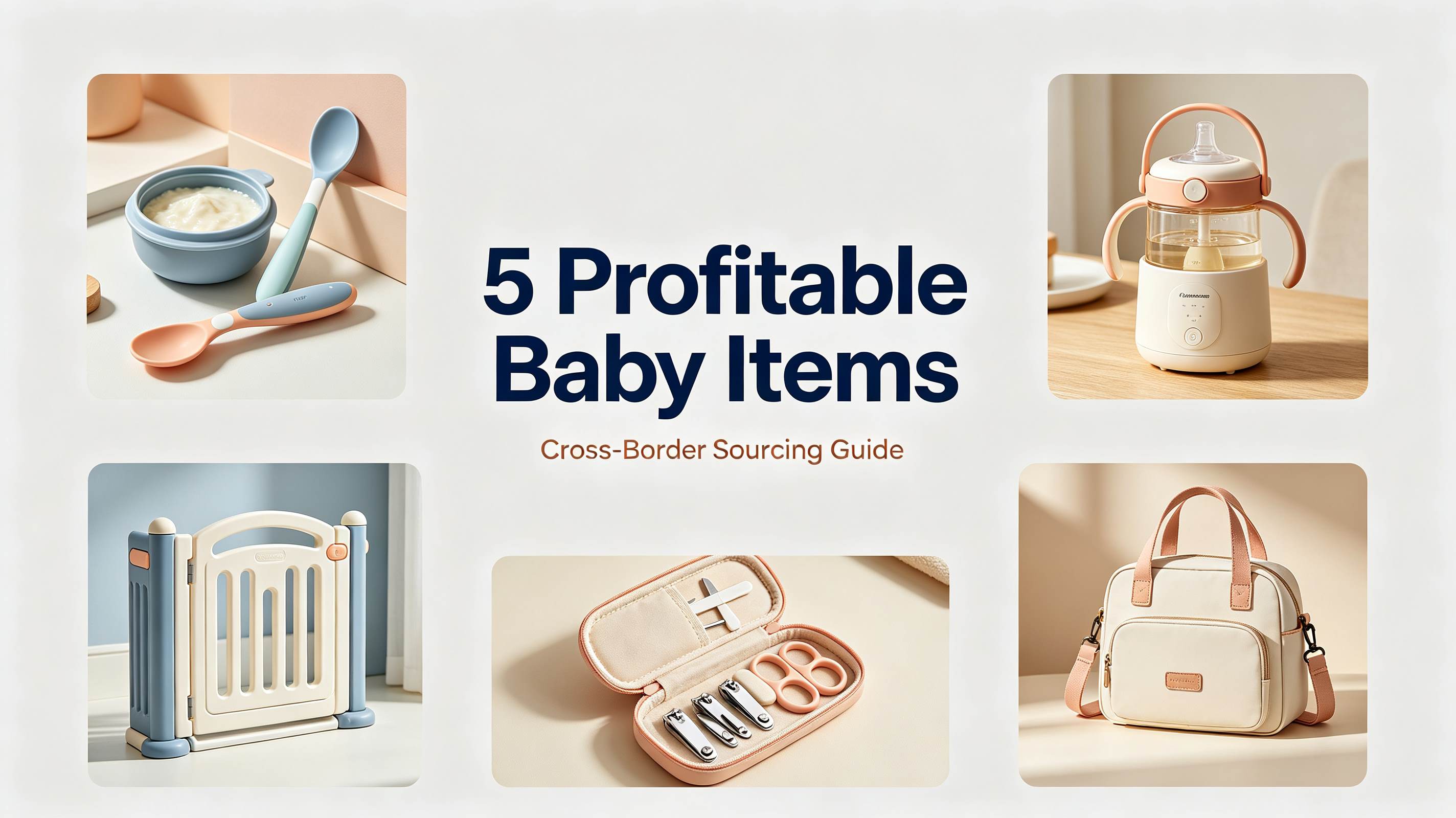
China’s maternity and baby market is projected to exceed 4 trillion yuan by 2025, with ecommerce penetration continuing to rise as an increasing number of young parents prefer online channels for infant and toddler products. What makes this market unique is the highly rational consumer decision-making process, safety, material eco-friendliness, and functional practicality rank as primary considerations, while price sensitivity remains relatively low. For cross-border ecommerce sellers, although the baby category demands higher qualifications and quality standards, once product trust is established, repeat purchase rates and customer loyalty prove remarkably strong. More importantly, global maternity consumption displays a clear premiumization trend, parents in Europe and America willingly pay significant premiums for well-designed, safe infant products. On TikTok and Instagram, unboxing videos and usage tutorials for baby products rank among the highest-traffic content categories, providing sellers with exceptionally efficient marketing channels. Baby silicone feeding spoons, portable bottle warmers, child safety gates, baby nail care kits, and diaper bags currently occupy a golden window of robust demand yet unsaturated competition.
The baby silicone feeding spoon stands
The baby silicone feeding spoon stands as the most fundamental yet indispensable item in the feeding tools category, making it an ideal starter product for sellers entering the maternity market. Compared to traditional plastic or metal spoons, food-grade silicone is soft and gum-friendly, heat- resistant and easy to sterilize, and available in bright colors that attract babies’ attention, characteristics that have made it standard equipment in modern parenting. From a supply chain perspective, manufacturing processes are highly mature, with the key factor being the certification grade of silicone raw materials. FDA or LFGB-certified food-grade silicone feeding spoons cost approximately 3 to 8 RMB per piece on 1688, depending on silicone thickness, handle design, and whether a storage case is included. On Amazon, individual pieces typically sell for 6.99 to 12.99 dollars, while three-piece or five-piece sets can be priced at 14.99 to 19.99 dollars. At a three-piece set price of 16.99 dollars, product costs run about 15 to 24 RMB, and even after packaging and logistics, total costs remain controllable, yielding net margins of 50% to 60%. The marketing appeal of this category lies in the ability to visually demonstrate silicone softness and safety through short videos, young parents are readily moved by authentic usage scenarios.
Portable bottle warmers
Portable bottle warmers address the core pain point of heating breast milk or formula while away from home, representing one of the fastest-growing segments in baby travel products in recent years. Traditional thermos methods lack precise temperature control, while plug-in warmers depend on power availability. New-generation portable warmers use USB charging or car power, heating bottles to around 37 degrees Celsius within minutes and maintaining that temperature. Some premium models also incorporate sterilization functions and digital temperature displays. On 1688, a basic USB portable bottle warmer costs roughly 45 to 75 RMB to source, while mid-to- high-end models with digital displays and constant temperature features range from 80 to 130 RMB. Overseas, these products command impressive prices, with basic models selling for 29.99 to 39.99 dollars and feature-rich versions reaching 49.99 to 69.99 dollars. At a mid-range price of 39.99
dollars, net margins after all expenses typically fall between 40% and 50%. This category particularly suits scenario-based bundling with bottles, nipples, and other feeding accessories, combining into “on-the-go feeding sets” to significantly boost average order value.
Child safety gates
Child safety gates represent a necessity within the home safety category, and as global parental awareness of child household safety continues rising, this seemingly niche category actually enjoys very stable market demand. Safety gates are primarily used at staircases, kitchen entrances, and other hazardous areas to prevent infants and toddlers from entering unattended. Modern designs have evolved from traditional physical latches to pressure-mounted and auto-close mechanisms, making installation more convenient and reducing wall damage. On 1688, a pressure-mounted, dual-swing mid-to- high-end child safety gate costs approximately 55 to 95 RMB, depending on material strength and width adjustability. In overseas markets, these products typically sell for 39.99 to 59.99 dollars, with extra-wide or specialty installation models commanding even higher prices. Due to larger weight and volume, logistics costs represent a higher proportion, yet net margins still maintain 35% to 45%. The category’s advantage lies in the natural multi-piece order pattern, once parents install their first gate, they typically purchase additional units for multiple hazardous areas throughout the home.
Baby nail care kits
Baby nail care kits represent an overlooked high-margin category among newborn care products. Newborn nails grow quickly, and their delicate skin makes adult nail clippers risky. Professional baby nail care kits typically include baby-specific clippers, rounded nail files, nasal tweezers, and illuminated ear picks, all designed around safety and ease of use. On 1688, a four-piece or five-piece stainless steel baby nail care kit costs roughly 12 to 25 RMB, with premium gift packaging adding 5 to 10 yuan. Overseas, these sell for 12.99 to 19.99 dollars, with branded and gift-boxed versions reaching 24.99 dollars or more. This yields remarkably strong per-kit margins, typically between 55% and 65%. The category particularly suits newborn gift positioning, experiencing noticeable sales spikes during holiday seasons. Sellers can design elegant gift packaging to position this product as a baby shower gift or newborn present, further enhancing premium pricing power.
Diaper bags
Diaper bags embody the intersection of practicality and fashion in maternity travel products. Unlike traditional handbags, diaper bags must offer large capacity, multiple compartments, water and stain resistance, and stroller- hanging convenience, while exterior designs must align with young mothers’ aesthetic preferences. Modern diaper bags have evolved beyond single- function bags into multiple styles including backpacks, crossbody bags, and totes, with materials spanning nylon, canvas, and vegan leather. On 1688, a medium-sized nylon diaper bag with changing pad and insulated pocket costs approximately 65 to 110 RMB, while premium materials or designer collaborations may reach 150 to 200 RMB. Overseas, standard diaper bags retail for 34.99 to 49.99 dollars, with design-focused and story-driven brands pricing at 69.99 to 99.99 dollars. At a mid-range price of 49.99 dollars, net margins typically fall between 40% and 50%. This category’s unique advantage is its precisely defined target audience, influencer partnerships with mom bloggers on social media typically outperform generic traffic advertising in conversion rates.
Final Thoughts
The core competitive factor in maternity and baby products has never been low pricing, it is trust. When buying for themselves, parents might comparison-shop across multiple stores for the lowest price, but when selecting products for their babies, they prefer sellers and brands that appear professional, have authentic reviews, and pay attention to details. Baby silicone feeding spoons, portable bottle warmers, child safety gates, baby nail care kits, and diaper bags all share characteristics of transparent and controllable sourcing costs, clearly defined target user needs, and ample room for product differentiation. Sellers should prioritize material safety certifications during selection, any product contacting infant skin or entering the mouth must carry appropriate international certifications. On the marketing front, genuine user feedback and scenario-based content prove more persuasive than any elaborate advertising copy. Inviting real mothers to share their usage experiences represents the most efficient way to build brand trust. The repeat purchase potential in maternity products is enormous, from feeding tools to care products to travel gear, sellers should aim to become mothers’ trusted long-term shopping destination rather than a one-time transaction vendor.