Introduction
In 2014, a married couple named Rich and Vicki Fulop sat in a five-star Las Vegas hotel and experienced for the first time what truly high-quality bedding felt like. The soft touch and exceptional breathability of the sheets amazed them, but when they inquired about the price, they learned that a premium set could cost thousands of dollars. Back in New York, the Fulops began searching for alternatives and discovered that consumers faced a binary choice: either pay exorbitant premiums for luxury brand bedding or accept cheap, uncomfortable, and short-lived budget options. A middle market combining quality, design, and fair pricing essentially did not exist. This realization sparked their entrepreneurial impulse. They decided to launch a direct-to-consumer bedding brand that would bring hotel-quality sleep experiences to ordinary consumers through transparent pricing, clean modern design, and superior fabrics. Brooklinen was born, headquartered in New York, drawing substantial aesthetic inspiration from this global design capital.
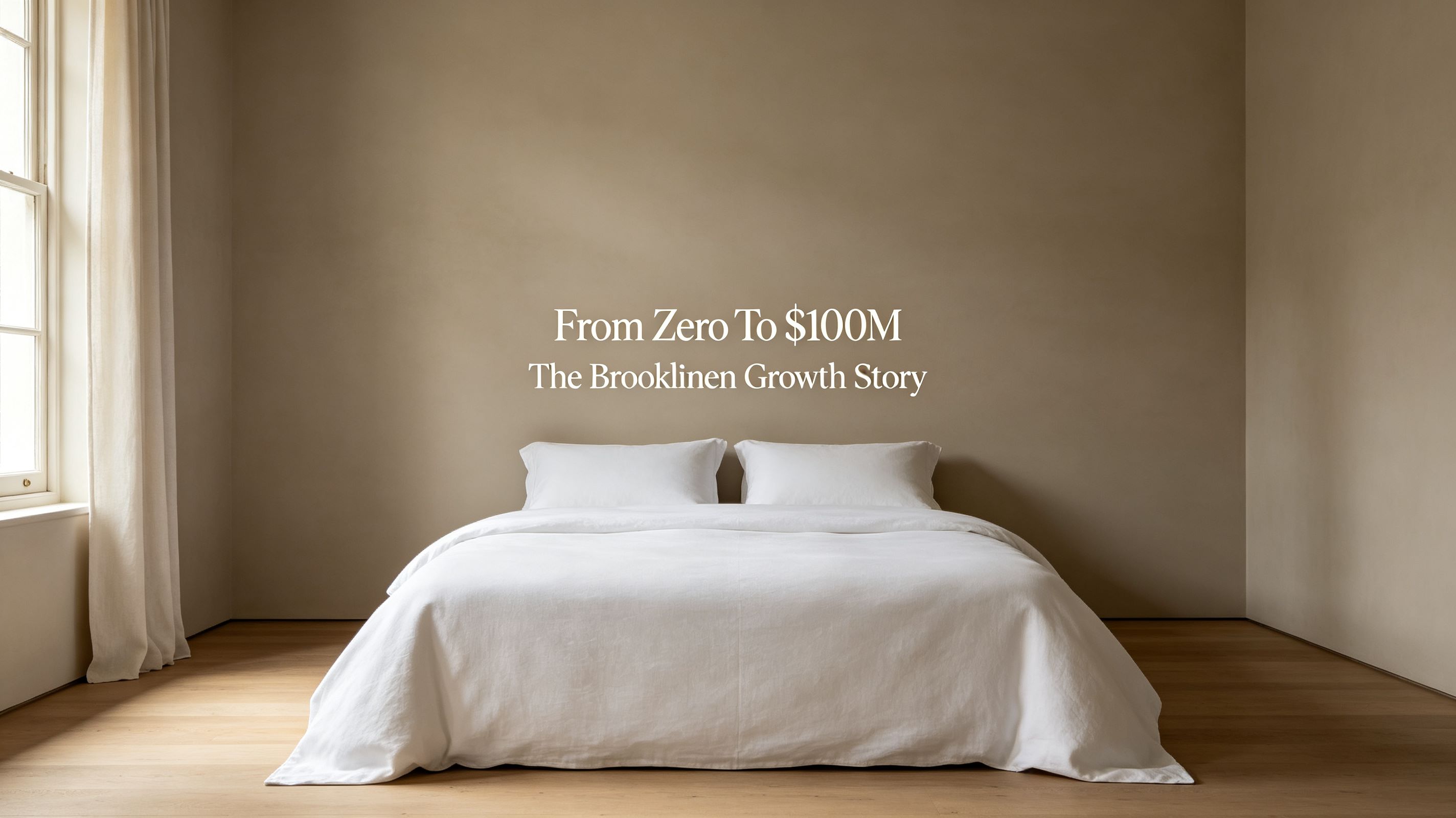
Brooklinen’s product strategy can be summarized as less is more. Unlike many home brands that offer dozens of patterns, colors, and material options, Brooklinen initially focused on a small number of core fabric types and classic color palettes, centering on neutral tones such as white, gray, and beige paired with minimalist packaging design. This restrained product philosophy aligned perfectly with the rising minimalist lifestyle trend, particularly resonating with Generation Z and millennial consumers. Having experienced information overload and rampant consumerism, this generation of young people began returning to pursuits of quality and essence. They no longer needed elaborate patterns and excessive decoration to define their bedroom spaces. Instead, they gravitated toward using high-quality foundational pieces to create serene, comfortable, and sophisticated living environments. Brooklinen precisely captured this psychological shift, elevating its brand positioning from simple textile sales to lifestyle proposition.
Pricing strategy represents another critical pillar of Brooklinen’s business model. By selling direct to consumers and bypassing the layered markups of traditional retail channels, Brooklinen can offer products at prices far below equivalent luxury brands. A classic Brooklinen cotton sheet set is priced between one and two hundred dollars, while comparable quality at traditional department stores might exceed five hundred dollars. This value proposition is achieved not by sacrificing quality but by compressing channel costs and optimizing supply chain efficiency. Brooklinen established direct partnerships with premium textile factories worldwide, sourcing raw materials from long-staple cotton producing regions and enforcing strict quality controls throughout production. This end-to-end control from source to consumer allows Brooklinen to maintain highly competitive pricing while ensuring product excellence.
The market’s enthusiastic response validated Brooklinen’s strategy. The brand reached one hundred million dollars in annual revenue by its fifth year, an astonishing achievement in a category traditionally regarded as low- frequency and low-attention. Brooklinen’s success also catalyzed the rise of the entire DTC home goods sector, proving that consumer purchase decisions for home textiles are undergoing profound transformation. Consumers are no longer satisfied passively accepting limited options at department stores. Instead, they actively seek online brands that better align with their personal aesthetics and values. Industry data indicates that the global bedding market is expected to sustain a compound annual growth rate of seven point one percent between 2025 and 2033, with DTC channels growing significantly faster than traditional retail. As a pioneer and beneficiary of this trend, Brooklinen is expanding from core bedding into adjacent categories such as bath textiles, sleepwear, loungewear, and bedroom accessories, attempting to build a more comprehensive brand ecosystem around bedroom and home living scenarios.
ShopFindBiz Perspective
Brooklinen’s rise offers ShopFindBiz users an excellent case study in how to apply high-frequency operational tactics to a low-frequency category. Bedding is traditionally a low-frequency purchase in retail logic, with consumers replacing sheets only every two to three years, making it difficult for brands to drive growth through repeat purchases. Brooklinen broke through these limitations through several strategies. First, it expanded products into multiple subcategories related to bedroom and home scenarios, driving customer lifetime value through cross-category selling. Second, it maintained continuous engagement with consumers through brand content and community operations, preserving brand mental availability even during periods without purchase intent. Third, it redefined bedding from a functional commodity into a vehicle for lifestyle and self-expression, stimulating emotional purchase motivations and gift purchase demand. ShopFindBiz recommends that merchants analyzing Brooklinen pay particular attention to its website user journey design, including how it guides visitors from core bedding pages to browse accessories and extension categories, and how bundle combinations and add-on recommendations drive average order value. Additionally, Brooklinen’s investment in fabric education and sleep wellness content deserves study. This educational content marketing not only establishes the brand’s professional authority but also subtly cultivates consumers’ willingness to make upgrade purchases. For merchants operating home goods independent stores, Brooklinen proves an important principle: in low-frequency categories, a brand’s value lies not only in facilitating immediate transactions but in becoming the mental anchor consumers turn to first within that category.
Final Thoughts
Brooklinen went from a pair of astonishingly soft sheets to a one-hundred-million-dollar annual revenue milestone in five years. Its story tells us that the greatest business inspirations often come from the most ordinary consumer experiences in daily life. The Fulops did not invent any new technology in a Silicon Valley garage. They simply identified a long-neglected pricing gap in the market and filled it using the DTC model, minimalist aesthetics, and an unwavering commitment to quality. As Generation Z gradually becomes the dominant force in home consumption, Brooklinen’s values and product philosophy appear increasingly prescient. Young consumers no longer blindly pursue the conspicuous display of brand logos. Instead, they pay closer attention to the material sourcing, production craftsmanship, and lifestyle attitude a brand represents. Brooklinen is both a beneficiary and a driver of this consumer transformation. As the brand extends into more home scenarios and categories, its future growth space remains expansive, though the core challenge will be how to scale without diluting the founding brand sensibility and product standards. For entrepreneurs seeking opportunities in the home goods category, Brooklinen’s path clearly points in one direction: starting from an extraordinary product experience, moving consumers with a simple value proposition, and then proving the power of quality over time.