Introduction
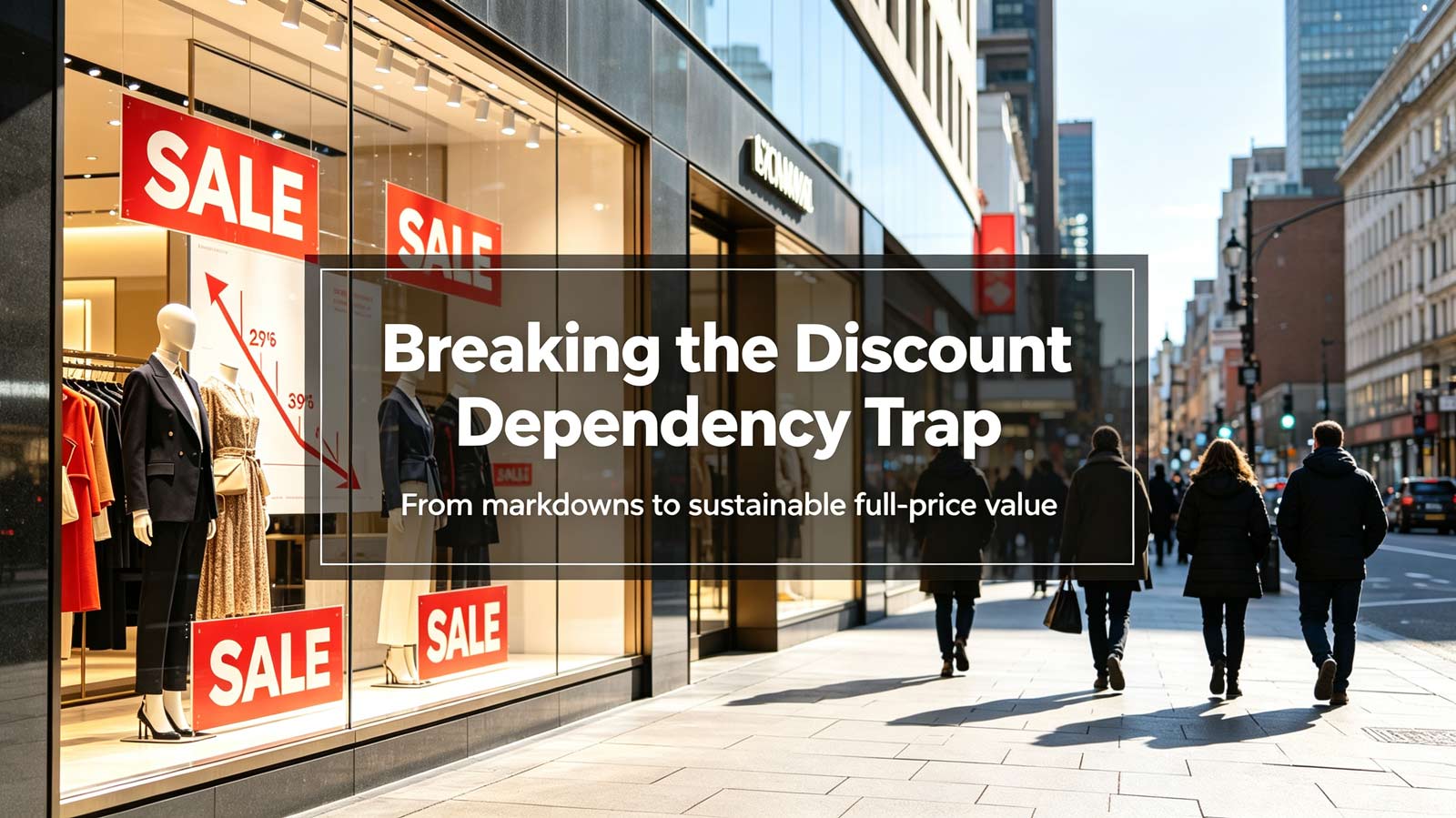
In today's competitive retail landscape, businesses often resort to frequent discounting as a strategy to attract customers and boost sales. However, this approach has unintended consequences. Constant markdowns train consumers to expect lower prices, making them reluctant to pay full price for products. Research shows that over-reliance on discounts can slash full-price conversion rates by 30-40%, ultimately eroding profit margins and brand value. This article explores the hidden costs of endless discounting and provides a strategic playbook to break the cycle of dependency on price reductions while maintaining customer loyalty and profitability.
The Psychology of Discounting and Consumer Behavior
Discounting taps into fundamental psychological triggers that influence purchasing decisions. The thrill of getting a "deal" releases dopamine, creating a temporary high that encourages repeat behavior. Over time, customers become conditioned to wait for sales, believing that full-price purchases are unnecessary when discounts are frequent. This phenomenon, known as "price anchoring," shifts the consumer's perception of value, making the discounted price the new reference point.
Retailers often fall into the trap of using discounts as a quick fix to meet short-term sales targets. However, this strategy can backfire by:
1.Training customers to delay purchases until the next sale cycle
2.Devaluing the perceived worth of products and services
3.Attracting price-sensitive shoppers with low loyalty
4.Creating an unsustainable race to the bottom on pricing
The Hidden Costs of Constant Discounting
While discounts may provide temporary sales lifts, they come with significant long-term costs that many businesses underestimate. First, profit margins suffer dramatically. A 20% discount requires a 25% increase in sales volume just to maintain the same gross profit, putting immense pressure on operations and inventory management. Second, brand equity erodes as products become associated with bargain prices rather than quality or exclusivity.
Other hidden costs include:
1.Increased price sensitivity among your customer base
2.Higher customer acquisition costs as you compete solely on price
3.Reduced ability to invest in product innovation and customer experience
4.The creation of a transactional rather than relationship-based customer dynamic
Strategies to Break the Discount Dependency Cycle
Transitioning away from constant discounting requires a strategic approach that focuses on creating value beyond price. Begin by segmenting your customer base to identify who is truly price-sensitive versus those who value other aspects of your offering. For premium segments, emphasize quality, exclusivity, and service rather than competing on price.
Effective alternatives to blanket discounting include:
1.Implementing loyalty programs that reward engagement rather than just purchases
2.Creating limited-edition products or services that maintain premium pricing
3.Bundling products to increase perceived value without slashing prices
4.Offering value-added services like free installation or extended warranties
Building Sustainable Pricing Strategies
The path to sustainable pricing begins with establishing clear value propositions that justify your full price point. Conduct thorough market research to understand what truly drives purchase decisions among your target customers. Many consumers are willing to pay premium prices when they perceive corresponding value in quality, convenience, or brand alignment with their identity.
Key elements of sustainable pricing strategies include:
1.Implementing value-based rather than cost-plus pricing models
2.Creating tiered offerings to cater to different customer segments
3.Using scarcity and urgency tactics (like limited quantities) instead of price cuts
4.Aligning pricing with your brand positioning and customer expectations
Conclusion
Breaking free from the discounting trap requires courage and a long-term perspective, but the payoff is substantial. By shifting focus from price to value, businesses can cultivate more loyal customer relationships, protect profit margins, and build sustainable brands. The transition won't happen overnight, but by implementing the strategies outlined in this article, retailers can gradually retrain their customers to appreciate the full value of their offerings. Remember, the most successful brands aren't those with the lowest prices, but those that have clearest value propositions and strongest emotional connections with their customers.